Stop Leaks, Reduce Downtime, and Extend Connector Life
Flexible connectors are often one of the most overlooked components in powder handling systems. They sit quietly between equipment, absorbing movement and maintaining containment. Yet when a connector fails, the consequences can be significant: product loss, dust emissions, contamination risks, unplanned downtime, and emergency maintenance costs.
The good news is that most connector failures give warning signs before a problem develops. A simple inspection routine can help maintenance teams identify issues early and prevent costly interruptions.
Why Regular Connector Inspections Matter
In many processing plants, maintenance resources are focused on major assets such as conveyors, sifters, mixers, and dust collection equipment. Flexible connectors rarely attract attention until something goes wrong.
However, connectors are exposed to a combination of:
- Product abrasion
- Pressure fluctuations
- Vibration
- Equipment movement
- Cleaning chemicals
- Temperature changes
Over time, these factors can reduce performance and increase the risk of leaks or premature replacement.
 That's why a structured inspection program is so important; it helps plants:
- Improve equipment reliability
- Reduce product loss
- Maintain dust containment
- Support food safety and quality programs
- Lower overall maintenance costs
No matter what flexible connector system you have in your plant, regular connector check-ups make maintenance planning more time- and cost-efficient.
Here's a quick guide to what you should include in your scheduled inspections.
The 10-Minute Flexible Connector Inspection Checklist
 1. Check for Visible Product Build-Up
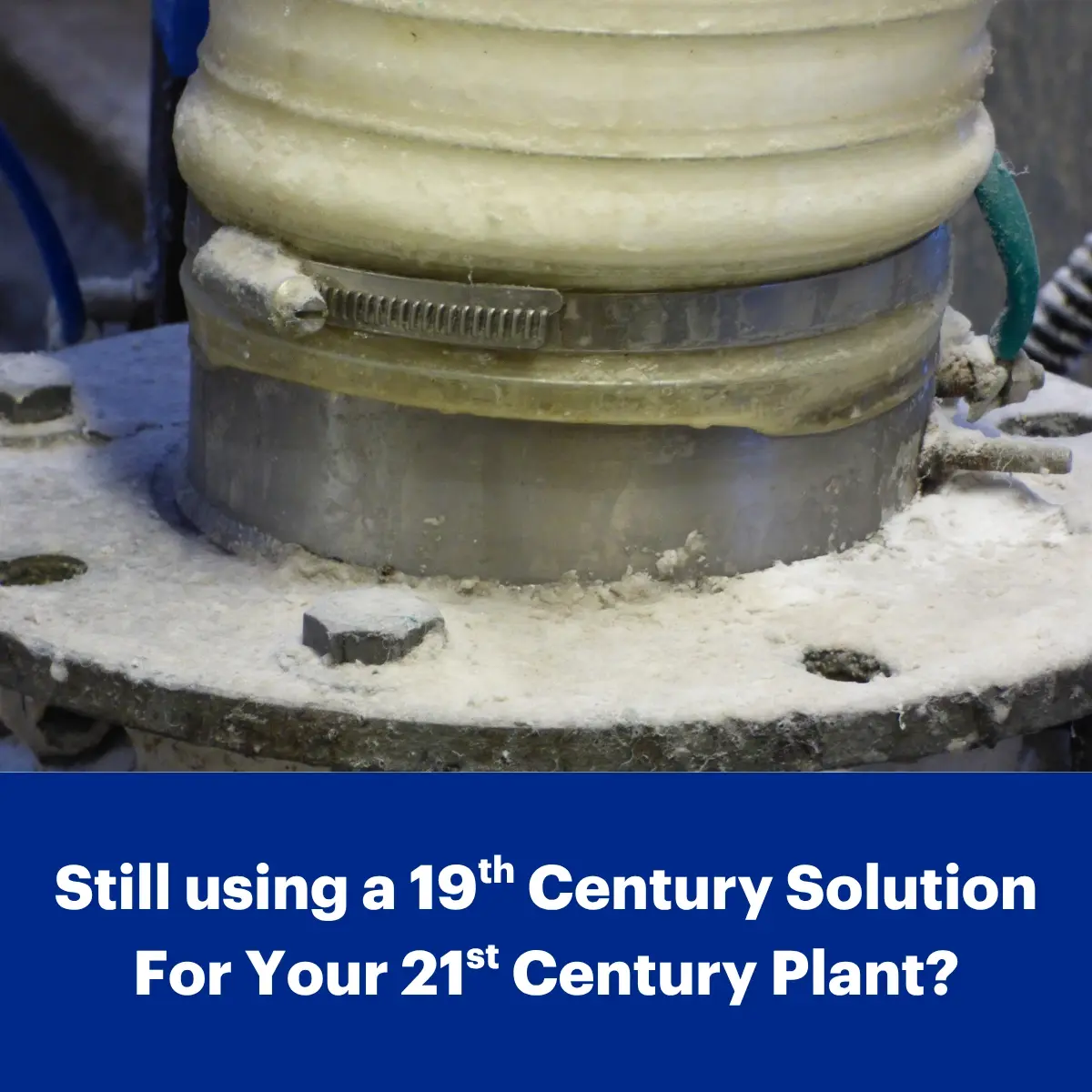
Excessive product accumulation may indicate:
- Minor leakage
- Poor airflow balance
- Process issues causing material retention
Even small traces of powder around the connection point can signal a developing problem.
2. Look for Signs of Material Fatigue
Examine the connector body for:
- Cracks
- Surface crazing
- Discolouration
- Excessive stretching
These can indicate that the material is approaching the end of its service life.
Pay particular attention to areas experiencing repeated flexing or vibration.
 3. Inspect Connection Security
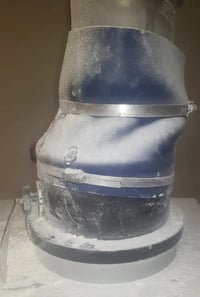
Ensure the connector remains properly positioned in its location.
Warning signs include:
- Partial disengagement
- Twisting
- Uneven tension
- Distortion around the connection point
A secure connection is essential for maintaining dust-tight containment.
4. Check for Abrasion Damage
Products such as sugar, salt, minerals, flour, chemicals, and powders can create considerable abrasive wear over time.
Inspect areas where product flow is concentrated and look for:
- Thinning material
- Cloudy wear marks
- Surface scuffing
Catching abrasive wear early lets you plan replacements instead of rushing them.
 5. Assess Equipment Alignment
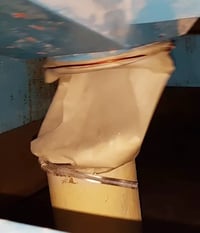
Flexible connectors should compensate for movement, not correct poor alignment.
Check whether upstream and downstream equipment remain properly aligned.
Excessive offset can place unnecessary stress on the connector and shorten its lifespan.
6. Evaluate Vibration Levels
Unusual vibration may indicate problems elsewhere in the process.
Inspect nearby equipment such as:
- Rotary valves
- Vibratory sifters
- Conveyors
- Dust extraction systems
Connector wear is often a symptom rather than the root cause.
 7. Verify Pressure Conditions
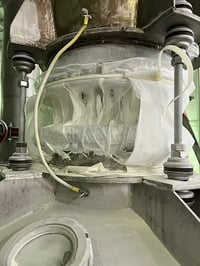
If a connector appears ballooned, collapsed, or distorted, review process pressure conditions.
Changes in airflow, filter performance, or system design can create unexpected pressure loads that accelerate wear. A replacement connector may benefit from support rings if pressure is causing accelerated wear or distortion.
8. Review Cleaning Procedures
Aggressive cleaning chemicals or incorrect cleaning methods can damage connector materials over time.
Confirm that:
- Approved cleaning agents are being used with appropriate concentration levels
- Cleaning temperatures remain within specifications
- Staff follow recommended procedures
9. Check Inspection Records
Maintenance history often reveals recurring patterns.
 Review:
- Previous replacements
- Failure locations
- Product changes
- Process modifications
Identifying trends can help eliminate root causes and improve reliability.
10. Schedule Replacement Before Failure Occurs
The most cost-effective replacement is a planned replacement.
If wear indicators suggest the connector is nearing the end of its service life, schedule replacement during a planned shutdown rather than waiting for an unexpected failure.
Moving from Reactive to Predictive Maintenance
 Many plants still operate on a "replace when it fails" approach for flexible connectors. While this may seem economical, unplanned failures often cost far more than the replacement component itself.
A simple inspection routine provides valuable data that can help maintenance teams:
- Predict replacement intervals
- Improve inventory planning
- Reduce emergency callouts
- Increase process uptime
The result is a safer, cleaner, and more reliable operation.
Small components: Critical role
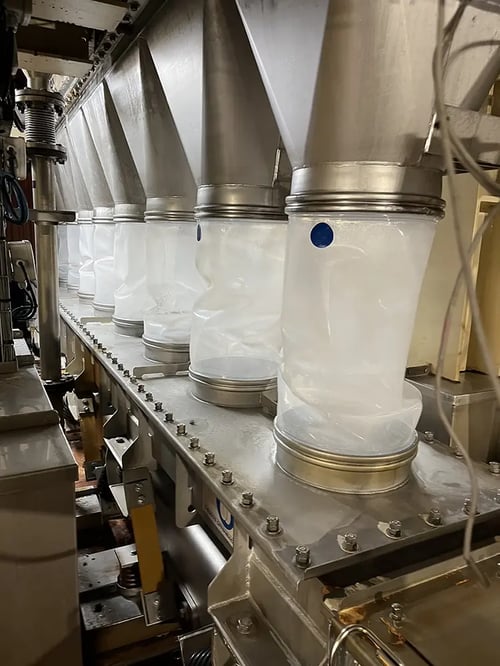 Flexible connectors may be small components, but they play a critical role in maintaining containment, hygiene, and process efficiency. By implementing a 10-minute inspection checklist, maintenance teams can identify wear early, prevent leaks, and extend connector service life.
Combined with connector systems designed for secure installation, reliable sealing, and long service life, a proactive maintenance strategy can significantly improve plant performance.
Not All Connector Systems Are Created Equal
Of course, even the most disciplined inspection program can only do so much if the connector itself is prone to wear, leakage, or installation inconsistencies. For this reason, many processing plants are increasingly evaluating not only maintenance practices but also connector design.
Systems that provide a more secure, repeatable fit can reduce inspection frequency, minimise wear-related issues, and deliver more consistent long-term performance than traditional clamped connections.
This is one reason many manufacturers have moved away from conventional clamped connectors and toward the world-first snap-fit solution - the BFM® fitting system - which is designed to deliver a more consistent fit, improved durability, and dependable performance over time.
When connector inspections become part of a plant's preventive maintenance strategy, reliability improves, downtime decreases, and unexpected surprises become far less common.
If your flexible connector system is taking up too much of your maintenance team's time, contact your local BFM® Authorised Distributor - they'd be happy to undertake a site visit and make recommendations.